
We live in a time where almost anyone can design a logo, build a website, or create marketing materials with a few clicks. Tools like Canva and AI platforms have made design more accessible (and tempting) than ever before.
But accessibility doesn’t always equal effectiveness.
When it comes to building a brand, the do-it-yourself approach often creates challenges that businesses don’t realize until it’s too late.
When Everything Looks the Same
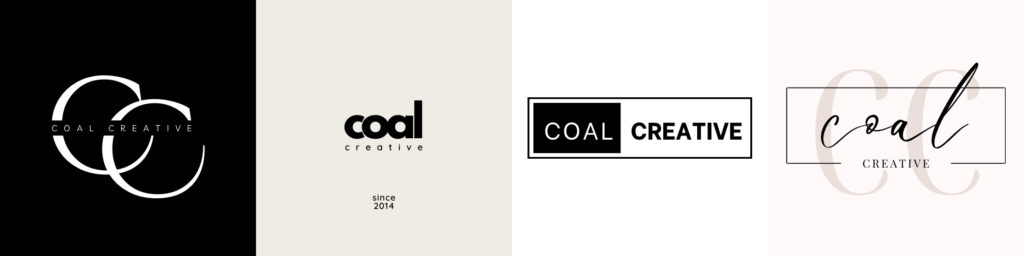
Today’s design tools offer thousands of templates, icons, fonts, and layouts. While that sounds like endless creative freedom, we often see the opposite effect. When everyone is pulling from the same template libraries, brands start to look, well, identical.
You’ve likely seen it before. The same minimalist logos, the same script fonts, the same color palettes, the same website layouts. Eventually, it all blends together.
The purpose of a brand is to establish a unique identity. It should help your business stand out in a crowded marketplace. When your brand looks like dozens of others using the same template, that distinct identity disappears. Good branding isn’t just about making something that looks “nice” or “passable.” It’s about creating something that is recognizable and memorable.
First Impressions Matter
Your brand is often the first interaction someone has with your business. Before a conversation happens, a service is explained, or a product is purchased, people are making quick judgments based on what they see and feel.
When branding feels pieced together or amateur, it can unintentionally signal that the business itself may operate the same way. Even if the service or product is excellent, that first impression can create doubt.
Strong branding, on the other hand, communicates confidence. It signals that a business is established, thoughtful, and invested in its presence.

Branding is More Than Design
One of the biggest misconceptions about branding is that it’s just a logo. In reality, branding is a strategic process that considers:
- your audience
- your positioning in the market
- how you want people to feel when they encounter your business
- how your visuals and messaging work together
A logo, color palette, font, website layout, and messaging should all reinforce the same identity. Without strategy guiding those choices, it’s easy for a brand to feel inconsistent or unfocused. Brand identity should be a company’s north star.
General templates can produce designs, but they can’t replace intentional brand strategy.
Learn about our Brand Voice Workshops here.
Time Has Value, Too
Many businesses choose the DIY route to save money. What we forget is that DIY costs another very important resource: Time.
Hours spent scrolling through templates, tweaking colors, adjusting layouts, and learning unfamiliar platforms are hours taken away from running the business itself. In many cases, the time investment alone outweighs the perceived cost savings.
Invest in Standing Out
The tools available today are powerful, and they absolutely have their place. But building a strong brand requires more than assembling pieces from a template library. It requires clarity, strategy, and thoughtful design. Because the goal of branding isn’t simply to create something that looks acceptable. The goal is to create something that people remember.

And sometimes, the best way to achieve that goal is to bring in the professionals (cough, cough, us!) who do it every day.